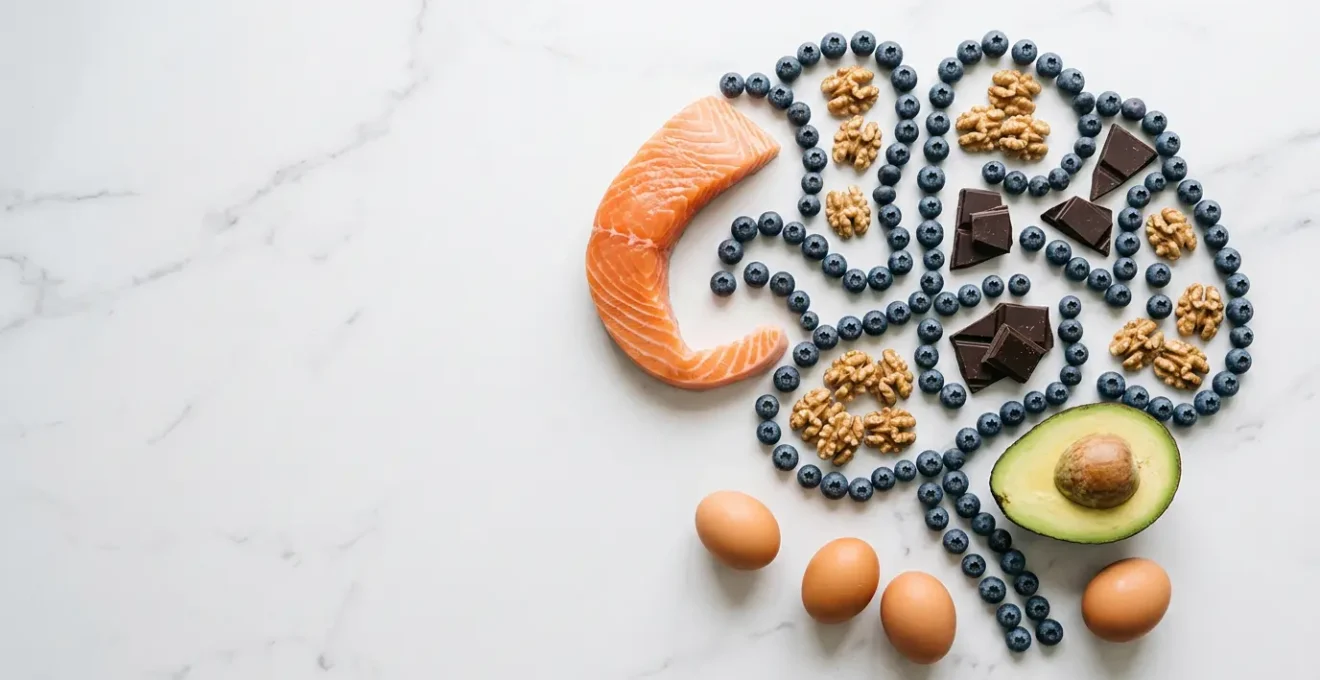
Peak cognitive performance isn’t about eating ‘superfoods’; it’s about mastering the neurochemical levers of your diet to engineer focus on demand.
- The bioavailability of nutrients, like how omega-3s cross the blood-brain barrier, is more critical than the food source itself.
- Afternoon brain fog is a direct result of a high-carb lunch suppressing your brain’s orexin system, a key regulator of wakefulness.
Recommendation: Shift your mindset from ‘eating a meal’ to ‘fueling a specific cognitive outcome’ by prioritizing protein, healthy fats, and low-glycemic carbohydrates hours before you need to perform.
For any corporate climber, the moment before a high-stakes presentation is a crucible. Your slides are polished, your talking points memorized, but the ultimate variable is your own cognitive function. Will your mind be sharp, articulate, and responsive, or will it feel like it’s wading through a thick fog? The standard advice is often a list of familiar « brain foods »: eat some blueberries, have a handful of nuts, maybe a piece of dark chocolate. While not incorrect, these are surface-level tactics that fail to address the underlying mechanisms of peak mental performance.
These generic recommendations overlook the powerful neurochemical reactions that food triggers in your brain. The real competitive edge lies not in a simple grocery list, but in a strategic understanding of how to use nutrition to engineer your desired mental state. It’s about treating your diet as a precise tool for cognitive enhancement, manipulating levers like blood sugar, neurotransmitter precursors, and inflammatory responses to build a foundation for sustained, jitter-free focus.
This article moves beyond the platitudes to provide a neuro-nutritionist’s blueprint for pre-presentation fuel. We will dissect the science behind how specific nutrients reach your brain, why the wrong lunch can sabotage your afternoon, and how to choose the right stimulant for clean, lasting energy. This is not just about what you eat, but a strategic protocol for commanding peak mental acuity when it matters most.
To navigate this deep dive into cognitive engineering through diet, here is a breakdown of the key areas we will explore. Each section is designed to build upon the last, creating a comprehensive protocol for your next major performance.
Summary: Your Guide to Pre-Presentation Cognitive Fueling
- Fish Oil or Algae: Which Source actually reaches the Brain?
- How Does Your Lunch Choice Affect Your Mood at 4 PM?
- How to Spot High-Quality Cotton T-Shirts That Won’t Shrink After One Wash?
- The Breakfast Mistake That Destroys Your Attention Span by 10 AM
- How Mild Dehydration Slows Down Your Reaction Time by 15%?
- Coffee vs. Matcha: Which Stimulant Provides Sustained Focus Without the Crash?
- Why Does a High-Carb Lunch Cause Brain Fog at 2 PM?
- How to Maintain Peak Mental Focus During a 10-Hour Workday Without Caffeine Jitters?
Fish Oil or Algae: Which Source actually reaches the Brain?
The advice to consume omega-3 fatty acids for brain health is widespread, but it masks a critical detail: bioavailability. It’s not just about ingesting omega-3s; it’s about whether they can effectively cross the tightly regulated blood-brain barrier (BBB) to be utilized by your brain cells. This is where the molecular structure of the omega-3 source becomes paramount. Standard fish or algae oils provide omega-3s (primarily DHA and EPA) in triglyceride or ethyl ester forms, which have a limited ability to be transported into the brain.
The real breakthrough in cognitive nutrition comes from omega-3s bound to phospholipids, specifically lysophosphatidylcholine (LPC). This unique structure acts as a key, unlocking a specific transport system (the Mfsd2a transporter) embedded in the blood-brain barrier. The result is a far more efficient delivery system for essential fatty acids.
This concept of superior transport is not theoretical. As a specific case study on LPC-bound omega-3s demonstrates, this form can deliver up to twice as much DHA to the brain compared to other forms. For the performance-driven professional, this means choosing an omega-3 source like krill oil, which is naturally rich in phospholipids, is a more strategic decision than simply taking high doses of standard fish oil. The goal is not just consumption, but effective delivery to the target organ.
How Does Your Lunch Choice Affect Your Mood at 4 PM?
The dreaded 4 PM slump—characterized by irritability, low energy, and an inability to focus—is often blamed on a long day. However, in most cases, it is a direct neurochemical consequence of the lunch you ate four hours earlier. A meal high in simple carbohydrates and low in protein triggers a cascade of events that actively suppresses wakefulness. This isn’t just about a « sugar crash »; it’s about the targeted shutdown of your brain’s alertness system.
The key players are the glycemic index of your food and your brain’s orexin neurons, which are crucial for maintaining alertness and arousal. A high-glycemic lunch (white bread, pasta, sugary drinks) causes a rapid spike in blood sugar and a corresponding surge of insulin. This insulin response, in turn, suppresses the activity of orexin neurons, effectively telling your brain it’s time to power down. In contrast, a protein-rich meal helps stabilize blood sugar and maintains orexin activity, preserving your mental sharpness throughout the afternoon.
This table illustrates the dramatic difference in cognitive outcomes based on your midday meal choice. It highlights how a « Peak Performance Lunch » is engineered to support sustained energy and alertness, directly counteracting the mechanisms that lead to the afternoon mood crash.
| Factor | Mood Crash Lunch | Peak Performance Lunch | 4 PM Impact |
|---|---|---|---|
| Main Carb | White pasta, white bread | Quinoa, leafy greens | Blood sugar stability |
| Protein | Low (10-15g) | High (25-30g) | Sustained alertness |
| Fats | Trans fats, fried foods | Omega-3s, olive oil | Cognitive function |
| Glycemic Index | High (70+) | Low (under 40) | Energy consistency |
| Orexin Response | Suppressed | Maintained | Wakefulness level |
To avoid this performance-killing slump, you must approach lunch with a clear strategy. The goal is to provide sustained fuel without triggering the orexin suppression cascade. This requires a deliberate balance of macronutrients, focusing on lean protein, healthy fats, and complex, fiber-rich carbohydrates.
How to Spot High-Quality Cotton T-Shirts That Won’t Shrink After One Wash?
While seemingly disconnected from nutrition, your physical environment is a critical component of your cognitive performance architecture. Your brain has a finite amount of processing power, and any sensory distraction—no matter how minor—siphons away resources that could be dedicated to complex thought. A scratchy label, a restrictive fit, or the low-grade discomfort of a poor-quality fabric acts as a constant, low-level drain on your focus. Research on workplace performance confirms this, showing that physical comfort directly impacts cognitive function, with professionals in comfortable attire reporting significantly better focus.
Therefore, engineering your professional « uniform » for maximum comfort is a non-negotiable step in preparing for a high-stakes presentation. A high-quality cotton t-shirt that feels soft, breathes well, and maintains its shape is not a luxury; it’s a tool for minimizing sensory noise. Investing in garments that won’t shrink, warp, or become abrasive after a single wash ensures a consistent, distraction-free physical state, allowing you to allocate 100% of your mental bandwidth to the task at hand.
The difference between a cheap, disposable shirt and a high-performance garment lies in the raw materials and construction. Learning to identify these quality markers allows you to build a wardrobe that supports, rather than detracts from, your cognitive goals.
Your Action Plan: The Professional Performance Uniform Checklist
- Check fiber length: Look for labels specifying Pima, Supima, or Egyptian cotton, which indicates a longer staple length (over 1.5 inches) for a softer, more durable fabric.
- Examine fabric construction: Prioritize ring-spun and combed cotton. This process removes shorter, weaker fibers and twists the remaining ones into a tighter, more stable weave that resists pilling and shrinkage.
- Test fabric density: Hold the shirt up to a light source. The less light that passes through, the higher the thread count and density, indicating a more substantial and durable garment.
- Feel for weight: A quality t-shirt should feel substantial, not flimsy. For a standard tee, aim for a fabric weight in the 5.5-6.5 oz range.
- Inspect stitching and finishing: Look for double-needle stitched hems and reinforced stress points, such as the shoulders and collar. These details signal a garment built for longevity, not disposability.
The Breakfast Mistake That Destroys Your Attention Span by 10 AM
The most common breakfast mistake isn’t skipping it—it’s starting your day with a meal that sets you up for a mid-morning cognitive crash. A breakfast dominated by simple carbohydrates and sugar, even from seemingly « healthy » sources like fruit-only smoothies, sweetened yogurt, or instant oatmeal, initiates a vicious cycle of a sharp blood sugar spike followed by a precipitous drop. This volatility is the enemy of sustained focus. By 10 AM, as your blood sugar plummets, your brain is starved for energy, leading to distraction, irritability, and a desperate craving for another quick sugar hit.
While general research confirms that eating breakfast is beneficial, it also highlights a crucial caveat: high-calorie, high-sugar breakfasts appear to hinder concentration. The optimal breakfast for cognitive performance is one that provides a steady release of energy by balancing three key macronutrients: Protein, Fat, and Complex Carbohydrates (PFC). Protein and fat slow down the absorption of carbohydrates, preventing the dramatic blood sugar swings that kill attention span. This PFC approach stabilizes energy levels and provides the raw materials for neurotransmitter production, setting the stage for hours of uninterrupted focus.
To implement this, you must build your breakfast around a primary protein source (20-30g) like eggs or Greek yogurt. Then, add a source of healthy fats such as avocado or nuts, and finish with a small portion of a high-fiber, complex carbohydrate like berries or steel-cut oats. This strategic combination is the foundation for stabilizing your brain’s energy supply from the very start of the day.
How Mild Dehydration Slows Down Your Reaction Time by 15%?
While much attention is paid to food, hydration is arguably the most critical and most frequently neglected factor in cognitive performance. Your brain is approximately 75% water, and its functions are exquisitely sensitive to your hydration status. Even mild dehydration, long before you feel thirsty, can have a devastating impact on your mental acuity. The title’s 15% figure for slowed reaction time is not an exaggeration for the potential effects of being dehydrated; the science is clear and alarming.
When you are dehydrated, the volume of blood, including that flowing to your brain, decreases. This forces your heart to work harder and reduces the delivery of oxygen and nutrients to your neurons. Furthermore, dehydration can disrupt the balance of neurotransmitters and increase the level of the stress hormone cortisol. The cumulative effect is a significant impairment of executive functions: your attention wanes, your short-term memory suffers, and your decision-making slows down. A comprehensive meta-analysis of over 30 studies found that moderate dehydration (losing as little as 2% of your body weight in water) led to significant drops in focus, attention, and motor coordination.
For a corporate climber, a 2% dehydration level is an invisible but potent handicap in a high-stakes presentation. It’s the difference between being sharp and responsive versus feeling a step behind. Strategic hydration isn’t about chugging water right before you go on stage; it’s a protocol that begins the night before. Aim to drink consistently throughout the day and consider adding a pinch of sea salt and lemon to your water to provide essential electrolytes (sodium and potassium), which are crucial for nerve signaling and fluid balance. This ensures your brain is not just hydrated, but optimally charged for performance.
Coffee vs. Matcha: Which Stimulant Provides Sustained Focus Without the Crash?
For many professionals, caffeine is a non-negotiable tool for alertness. However, not all caffeine sources are created equal. The choice between coffee and matcha is not merely a matter of taste; it’s a strategic decision that determines the quality and duration of your focus. While coffee provides a rapid, powerful jolt of energy, it often comes at the cost of a subsequent crash and potential jitters, which are detrimental during a presentation.
The difference lies in a unique amino acid present in matcha: L-theanine. As the Healthline editorial team notes, this compound works synergistically with caffeine. The caffeine provides the alertness, while the L-theanine promotes a state of calm, focused relaxation.
Green tea contains caffeine, which boosts alertness, and L-theanine, which can help you relax by counteracting the stimulating effects of caffeine
– Healthline Editorial Team, 11 Best Foods to Boost Your Brain and Memory
This synergy is reflected in your brain’s electrical activity. Coffee tends to promote beta brain waves, associated with active, sometimes anxious, thinking. Matcha, thanks to L-theanine, promotes alpha brain waves, which are linked to a state of « wakeful relaxation » or calm alertness—the ideal mental state for delivering a confident, fluid presentation. Furthermore, the caffeine in matcha is absorbed more slowly, providing a longer, more sustained release of energy without the dramatic peak and crash associated with coffee.
| Factor | Coffee | Matcha | Cognitive Impact |
|---|---|---|---|
| Caffeine Content | 95mg per cup | 35-70mg per cup | Alertness intensity |
| L-Theanine | None | 20-40mg | Calm alertness |
| Peak Effect | 30-45 minutes | 60-90 minutes | Time to maximum focus |
| Duration | 2-3 hours | 4-6 hours | Sustained attention span |
| Crash Risk | High | Low | Post-peak fatigue |
| Brain Waves | Beta (alert/anxious) | Alpha (calm focus) | Mental state quality |
Why Does a High-Carb Lunch Cause Brain Fog at 2 PM?
The term « brain fog » perfectly captures the feeling of slow, hazy, and effortful thinking that often strikes mid-afternoon. This is not a psychological phenomenon; it is a direct neurochemical consequence of eating a lunch high in refined carbohydrates. When you consume a meal of pasta, white rice, or a sandwich on white bread, you trigger a biological process that actively suppresses the very brain cells responsible for keeping you awake and alert.
The culprit is the suppression of the orexin system. Orexin (also known as hypocretin) is a neuropeptide produced in the hypothalamus that plays a central role in regulating wakefulness, arousal, and appetite. High levels of orexin promote alertness and sharp cognitive function. A high-carbohydrate meal leads to a spike in glucose and insulin, and this specific hormonal signal is interpreted by the brain as a trigger to decrease orexin production. The result is a neurological « powering down, » leading directly to the drowsiness and mental cloudiness we call brain fog.
Conversely, a meal rich in protein does not cause the same dramatic insulin spike and has a much smaller inhibitory effect on the orexin system. In fact, amino acids from protein can even be stimulatory to orexin neurons. This explains why a lunch of grilled chicken and leafy greens leaves you feeling energized and focused, while a large bowl of pasta makes you want a nap. Avoiding brain fog is a simple matter of choosing fuels that keep your orexin system active, not ones that shut it down.
Key Takeaways
- Bioavailability Over Quantity: The form of a nutrient (e.g., phospholipid-bound omega-3s) determines its ability to cross the blood-brain barrier and is more critical for cognitive impact than raw dosage.
- Master Your Orexin System: Afternoon brain fog is a direct result of a high-carb lunch suppressing your brain’s orexin neurons. Prioritize protein at lunch to maintain wakefulness.
- Engineer Your Stimulation: The L-theanine in matcha promotes alpha brain waves for calm, sustained focus, making it a superior choice to coffee for avoiding pre-presentation jitters and energy crashes.
How to Maintain Peak Mental Focus During a 10-Hour Workday Without Caffeine Jitters?
Maintaining peak cognitive function over a demanding 10-hour workday requires a more sophisticated approach than simply relying on large, intermittent doses of caffeine. This strategy inevitably leads to jitters, anxiety, and a debilitating crash. The key to sustained mental endurance is not stimulation, but stabilization. This is achieved through a nutrient pacing strategy, where you provide your brain with a steady stream of high-quality fuel throughout the day.
Instead of three large meals, think in terms of smaller, strategically timed « fueling windows. » This approach keeps your blood sugar stable, preventing the energy peaks and valleys that disrupt focus. A protein-rich breakfast sets the foundation, a balanced lunch maintains momentum, and small, nutrient-dense snacks in the mid-morning and mid-afternoon bridge the gaps. These snacks shouldn’t be sugar-based; they should be built around protein and healthy fats, like walnuts, blueberries, or Greek yogurt, to provide a slow-release energy source.
This nutritional protocol must also be paired with physical and environmental inputs. Short bursts of activity, like a two-minute walk or a set of squats every 90 minutes, can significantly boost Brain-Derived Neurotrophic Factor (BDNF), a protein essential for neuron health and cognitive function. Likewise, regular exposure to natural light helps regulate your circadian rhythm and maintain alertness. Combining these strategies creates a holistic system for all-day focus that doesn’t rely on the crutch of excessive stimulants.
By shifting from a reactive approach of chasing energy with caffeine to a proactive strategy of consistent, high-quality fueling, you can architect a state of sustained peak performance. Your next high-stakes presentation begins not when you step on stage, but with the strategic dietary choices you make throughout the day. Start engineering your cognitive performance today.