Shopping & Trends
Navigating the world of men’s fashion can feel overwhelming when trends shift rapidly and shopping options seem endless. Yet understanding how to identify what works for your personal style, body type, and lifestyle doesn’t require an extensive fashion background. The key lies in recognizing the difference between fleeting fads and enduring trends, while building a wardrobe foundation that serves you across multiple occasions and seasons.
This comprehensive resource explores the essential elements of men’s shopping and current trends, offering practical insights into wardrobe building, smart purchasing decisions, and style adaptation. Whether you’re refreshing your entire closet or simply looking to make more informed clothing investments, these foundational principles will help you develop a personal style that balances contemporary trends with timeless appeal.
Understanding and Identifying Current Fashion Trends
Fashion trends emerge from various sources—runway shows, street style, cultural movements, and social media influencers all contribute to what becomes popular. However, not every trend deserves a place in your wardrobe. The most useful approach involves filtering trends through your personal lifestyle needs rather than adopting everything that appears fashionable.
Start by observing recurring patterns across multiple fashion sources. When you notice the same silhouette, color palette, or fabric appearing in different contexts—from high-end designers to accessible retailers—that signals a trend with staying power. For instance, the recent resurgence of relaxed tailoring and wider-leg trousers represents a sustained shift away from the ultra-slim fits that dominated previous years.
Consider these practical filters when evaluating trends:
- Does this complement my existing wardrobe pieces?
- Can I wear this for multiple occasions in my actual life?
- Does it suit my body type and personal comfort level?
- Will I still appreciate this aesthetic in six months?
Social media platforms offer real-time trend insights, but balance these with your authentic preferences. A trend only becomes valuable when it enhances your confidence and serves your practical needs.
Building Your Core Wardrobe Foundation
Before chasing trends, establishing a solid wardrobe foundation proves essential. Think of this foundation as the architecture upon which you’ll layer seasonal trends and personal expression. A well-constructed core wardrobe typically consists of versatile, high-quality pieces that work together seamlessly.
Essential Pieces Every Wardrobe Needs
Your core collection should include items that transition effortlessly between different settings. These fundamental pieces create countless outfit combinations when chosen thoughtfully:
- Well-fitted neutral trousers in navy, charcoal, or khaki
- Quality denim in a classic wash that flatters your build
- Versatile button-down shirts in white, light blue, and subtle patterns
- A selection of premium t-shirts and polos in neutral tones
- At least one tailored blazer that can dress up casual outfits
- Footwear covering formal, casual, and athletic needs
- Outerwear appropriate for your climate—consider layering options
Prioritizing Quality Over Quantity
The most successful wardrobes aren’t necessarily the largest. A focused collection of well-made garments consistently outperforms a closet stuffed with disposable fashion. Quality pieces maintain their appearance longer, fit better after multiple wears, and ultimately provide better value despite higher initial costs.
When evaluating quality, examine fabric composition, stitching integrity, and construction details. Natural fibers like cotton, wool, and linen typically age more gracefully than synthetic alternatives. Check how seams are finished, whether buttons feel substantial, and if patterns align at seams—these details distinguish well-crafted clothing from mass-produced alternatives.
Smart Shopping Strategies for Maximum Value
Strategic shopping extends your budget while improving wardrobe quality. This involves understanding retail cycles, knowing where to invest versus save, and recognizing when price reductions offer genuine value versus clearance of undesirable inventory.
Timing Your Purchases Strategically
Retailers follow predictable seasonal patterns. New collections typically arrive as seasons change, with corresponding markdowns on previous season merchandise. Shopping during these transition periods—late winter for fall/winter items and late summer for spring/summer pieces—often yields significant savings on quality items.
However, core essentials like quality basics rarely require waiting for sales. Since these pieces form your wardrobe foundation and you’ll wear them frequently, purchasing them when needed rather than waiting months for potential discounts makes practical sense. Reserve strategic timing for trend-forward pieces or seasonal items.
Navigating Online Versus In-Store Shopping
Each shopping method offers distinct advantages. Physical stores allow you to assess fabric quality, verify fit, and take items home immediately. The tactile experience of feeling materials and trying multiple sizes proves invaluable, especially when purchasing tailored items or establishing your size with unfamiliar brands.
Online shopping provides broader selection, easier price comparison, and convenience. It excels for repurchasing items in known sizes or exploring brands unavailable locally. Many successful shoppers use a hybrid approach: visiting stores to determine sizing and preferences, then purchasing online when better prices or selection exist. Understanding return policies becomes crucial when shopping remotely—generous return windows and free return shipping significantly reduce online shopping risks.
Adapting to Seasonal Trends Thoughtfully
Seasonal shifts bring new color palettes, fabrications, and style directions. Rather than overhauling your entire wardrobe each season, incorporate selective trend elements that refresh your existing pieces. This approach maintains style currency while preserving your clothing investment.
Each season introduces specific practical considerations. Spring and summer typically emphasize lighter fabrics, brighter colors, and relaxed silhouettes—think linen shirts, lightweight chinos, and breathable footwear. Fall and winter shift toward layering pieces, richer tones, and substantial textures like wool, flannel, and corduroy.
Seasonal trend adoption works best when you:
- Identify one or two key trends that genuinely appeal to you
- Incorporate these through accessible items like accessories or single statement pieces
- Ensure new additions coordinate with your existing wardrobe
- Consider the trend’s longevity beyond the immediate season
Color trends offer particularly accessible entry points. Adding a trending color through accessories, knitwear, or casual shirts requires minimal investment while keeping your aesthetic current. This season’s popular earth tones or pastels might appear in a single sweater that transforms multiple existing outfits.
Budget Management and Investment Piece Strategy
Effective wardrobe building requires honest budget assessment and strategic allocation. Not every garment deserves equal financial investment—understanding where to spend more and where acceptable alternatives exist represents crucial shopping intelligence.
Investment pieces typically include items you’ll wear frequently and that significantly impact your overall appearance. Quality outerwear, tailored trousers, leather shoes, and versatile blazers generally warrant higher spending because they endure heavy use and their quality remains visible. A well-made coat might serve you for a decade, making its cost-per-wear remarkably low despite a substantial initial price.
Conversely, trendy items with uncertain longevity, seasonal pieces with limited wearing opportunities, or basics you replace frequently due to wear don’t require premium investment. A fashion-forward printed shirt embracing this season’s pattern trends serves its purpose at a moderate price point, as you may retire it when aesthetics shift.
Creating a realistic clothing budget involves tracking what you actually spend versus what you intend to spend. Many people underestimate their fashion expenditure when making numerous small purchases. Setting quarterly or seasonal budgets, then prioritizing purchases within those constraints, prevents impulsive buying while ensuring you acquire genuinely needed items. Consider allocating roughly 60% toward core essentials and 40% toward trend pieces as a starting framework, adjusting based on your wardrobe maturity and personal priorities.
Building a functional, stylish wardrobe represents an ongoing process rather than a destination. As you develop stronger personal style awareness and better understand which trends complement your lifestyle, shopping decisions become increasingly intuitive. The foundation lies in balancing timeless essentials with selective trend adoption, prioritizing quality where it matters most, and making purchasing decisions aligned with your authentic needs rather than fleeting impulses. This thoughtful approach creates a wardrobe that serves you reliably while expressing your evolving personal aesthetic.
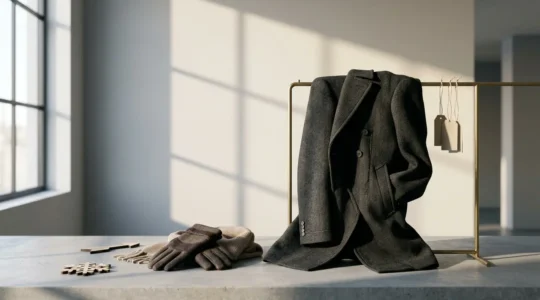
When Is the Absolute Best Month to Buy Winter Gear for 70% Off?
Contrary to popular belief, scoring the deepest discounts isn’t just about buying « off-season »—it’s about strategically timing your purchase at moments of maximum inventory pressure for retailers. The lowest prices on winter gear appear in late January and February, not summer,…
Lire la suite
How to Spot Retail Tricks Designed to Make You Spend More
Retail stores are not neutral spaces; they are highly engineered environments designed to bypass your rational mind and encourage impulse spending. Store layouts are intentionally confusing to maximize your exposure to products, while pricing schemes use decoys to make you…
Lire la suite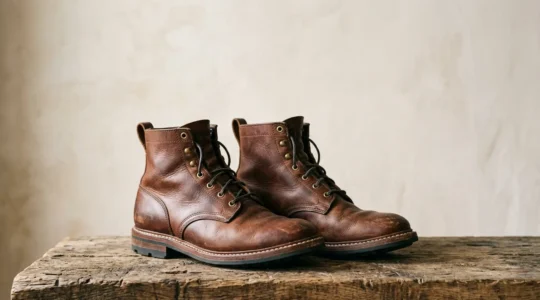
Which ‘Buy It For Life’ Boots Are Worth the $400 Price Tag?
The true value of a ‘Buy It For Life’ item isn’t its price tag, but its proven ability to be repaired, its use of materials that age beautifully, and a brand promise that outlasts trends. Superior construction, like a Goodyear…
Lire la suite
How to Use Price Tracking Tools to Never Pay Full Price Again
Stop chasing discounts. The real hack is to decode and exploit the pricing algorithms retailers use to make you overpay. Price history data is your primary weapon to expose fake sales and psychological tricks like price anchoring. Automated tools and…
Lire la suite
How to Create a Master Shopping List That Saves You $500 a Month?
A master shopping list is a fiscal strategy, not a chore, designed to reclaim hundreds of dollars from impulse spending. Implement non-negotiable waiting periods (« Purchase Purgatory ») for non-essential items to let emotional urges expire. Conduct regular audits of your pantry…
Lire la suite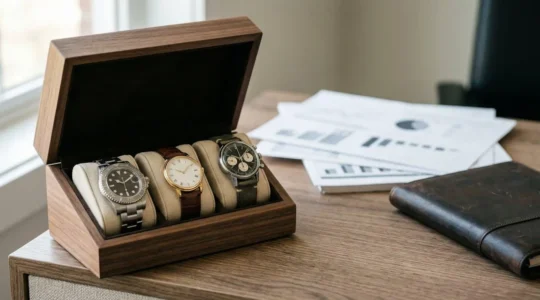
How to Invest in Luxury Goods That Hold Their Value
Acquiring luxury goods for value retention is an asset management discipline, not a shopping spree; success hinges on a portfolio-based financial framework. True value is found in intrinsic quality (e.g., full-grain leather, mechanical movements) and timeless design, which consistently outperform…
Lire la suite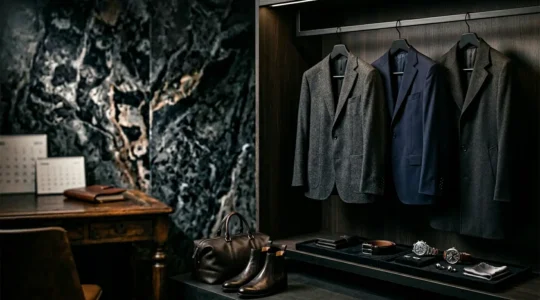
How to Buy High-Demand Fashion Before It Sells Out
Contrary to popular belief, securing high-demand fashion isn’t about having the fastest fingers on drop day. That’s the game the brands want you to play. The real strategy is to operate outside the hype cycle by mastering the industry’s calendar….
Lire la suite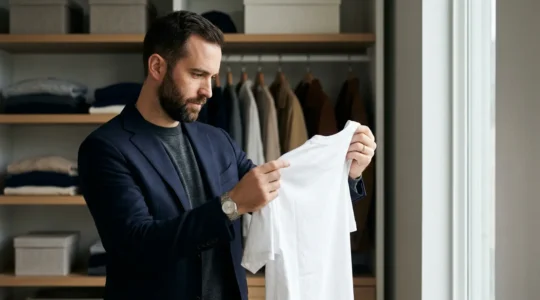
How to Spot High-Quality Cotton T-Shirts That Won’t Shrink After One Wash?
Contrary to popular belief, the « 100% Cotton » label is not a guarantee of quality; the invisible properties of the fiber determine if a garment will last. Garment longevity and shrink resistance depend on the cotton’s staple length (longer is better)…
Lire la suite
How to Build a ‘Promotion-Ready’ Wardrobe with Only 15 Items?
A promotion-ready wardrobe isn’t about owning more clothes; it’s about owning fewer, smarter assets that actively work to build your personal brand. Focus on the ‘Cost-Per-Wear’ (CPW) metric to justify strategic investments in high-quality, durable pieces. Systematically eliminate « style saboteurs »—items…
Lire la suite
How to Use Wearable Tech to Hack Your Sleep and Recovery Data?
Your wearable’s final ‘Recovery Score’ is a vanity metric; true performance hacking lies in mastering the raw data inputs and translating them into automated, environmental adjustments. Heart Rate Variability (HRV) is a more crucial metric than any single score for…
Lire la suite