Men’s Fashion & Style
Men’s fashion has evolved from rigid conventions into a dynamic landscape where personal expression meets timeless principles. Understanding how to dress well isn’t about following every trend or spending a fortune—it’s about mastering fundamental concepts that empower you to present yourself authentically and confidently in any situation.
Whether you’re building your first professional wardrobe, refining your casual style, or simply looking to understand what works for your body and lifestyle, this comprehensive resource will walk you through the core pillars of men’s fashion. From selecting quality essentials to developing a signature aesthetic, you’ll gain the knowledge needed to make informed decisions about every garment you wear.
Building Your Wardrobe Foundation
A well-functioning wardrobe begins with versatile pieces that work together seamlessly. Rather than accumulating random items, the strategic approach focuses on quality basics that serve multiple purposes and withstand changing trends.
Essential Clothing Pieces
Every man needs a core collection of garments that form the backbone of countless outfits. These foundational pieces include well-fitted jeans in a dark wash, chinos in neutral colors like navy and khaki, crisp white dress shirts, and versatile knit sweaters. A properly tailored blazer transforms casual outfits into polished ensembles, while quality t-shirts in white, gray, and black provide endless layering options.
The key is selecting pieces that reflect your lifestyle. An office professional needs more button-down shirts and dress trousers, while someone in a creative field might prioritize well-fitted casual wear. Consider how often you’ll wear each item—a cost-per-wear calculation often justifies investing more in frequently used pieces.
Understanding Fit and Proportions
The difference between looking disheveled and polished often comes down to fit rather than price. Shoulders should align naturally without pulling or drooping, sleeves should end at your wrist bone, and trousers should break slightly at the shoe without bunching excessively.
Pay attention to your body’s proportions when selecting clothing. Taller men can handle longer jackets and wider lapels, while shorter frames benefit from higher button stances and shorter jacket lengths. The goal is creating visual balance—if you have broader shoulders, slightly tapered trousers prevent a top-heavy appearance.
Quality Over Quantity
Fast fashion tempts with low prices, but garments falling apart after a few washes ultimately cost more than durable alternatives. Learn to recognize quality indicators: tightly woven fabrics that resist pilling, reinforced seams, functional buttonholes, and natural materials like cotton, wool, and linen that age gracefully.
A smaller wardrobe of well-made items outperforms a closet stuffed with disposable pieces. Quality garments maintain their shape, resist fading, and can be repaired when needed. This approach proves both economically and environmentally sustainable over time.
Developing Your Personal Style
Style transcends following trends—it’s about understanding what resonates with your personality, lifestyle, and values. Developing a personal aesthetic requires self-awareness and experimentation.
Identifying Your Style Preferences
Start by observing what you’re naturally drawn to. Create a digital collection of outfits that appeal to you, noting common elements. Do you gravitate toward minimalist, monochromatic looks, or do you prefer texture and pattern? Are you drawn to classic tailoring or relaxed, contemporary silhouettes?
Consider your daily activities and aspirations. Your style should feel authentic to your life while allowing room for who you want to become. A style archetype—whether classic, rugged, modern, or eclectic—provides a framework without becoming restrictive.
Understanding Body Types and Silhouettes
Working with your natural build rather than against it creates more flattering results. Athletic builds often suit fitted clothing that showcases their physique, while slimmer frames benefit from layering and textured fabrics that add visual weight. Those carrying extra weight can use structured jackets and vertical lines to create a streamlined appearance.
Experiment with different silhouettes to discover what feels comfortable and looks proportionate. The contemporary trend toward slightly relaxed fits offers more flexibility than the extreme skinny styles of previous years, accommodating various body types while maintaining a modern edge.
Color Coordination and Palette Selection
Mastering color eliminates the morning guesswork of matching outfits. Begin with a neutral foundation—navy, gray, black, white, and earth tones—that coordinates effortlessly. These colors form approximately 70-80% of a versatile wardrobe, allowing bolder accent pieces to shine.
Understanding your skin’s undertone helps select flattering colors. Cool undertones pair well with blues, purples, and true whites, while warm undertones complement earth tones, oranges, and cream. Don’t fear color entirely—a burgundy sweater or forest green jacket adds personality while remaining sophisticated.
Mastering Dress Codes and Occasions
Navigating various social and professional settings requires understanding dress code expectations. While these guidelines have relaxed in recent years, knowing the traditional frameworks helps you adapt appropriately.
Business formal traditionally means matched suits in conservative colors with ties and leather dress shoes. Business casual allows for sport coats with different trousers, optional ties, and more color flexibility. Smart casual bridges the gap between professional and relaxed, typically involving tailored chinos, button-down shirts, and quality sneakers or loafers.
For social events, « cocktail attire » generally suggests dark suits or blazers with dress trousers, while « black tie optional » means you can wear either a tuxedo or your best dark suit. When uncertain, slightly overdressing proves safer than appearing too casual—you can always remove a tie or jacket.
The modern workplace increasingly embraces individual expression within professional boundaries. Observe your environment’s norms while adding personal touches through thoughtful details rather than dramatic departures from expected standards.
The Impact of Accessories and Details
Accessories distinguish a basic outfit from a considered ensemble. These finishing touches demonstrate attention to detail and personal refinement without requiring significant investment.
A quality watch remains the most versatile accessory, serving both functional and aesthetic purposes. Leather belts should match your shoe color—brown with brown, black with black. Pocket squares add personality to blazers, while subtle tie bars and cufflinks elevate formal attire.
Consider these essential accessories for a complete wardrobe:
- A versatile leather watch with a simple face that transitions from casual to formal
- Two quality leather belts in brown and black
- A selection of dress socks that coordinate with your trouser colors
- A leather bifold wallet that ages gracefully
- Sunglasses with frames that complement your face shape
Bags serve practical purposes while making style statements. Leather briefcases suit professional environments, canvas totes work for casual settings, and quality backpacks accommodate active lifestyles without sacrificing sophistication.
Caring for Your Clothing Investment
Proper garment care extends the lifespan of your wardrobe while maintaining professional appearance. Many men overlook this crucial aspect, leading to premature wear and unnecessary replacement costs.
Follow these fundamental care practices:
- Read care labels and follow fabric-specific instructions
- Rotate suits and dress shoes to allow materials to rest and recover between wears
- Invest in quality wooden hangers that maintain shoulder shape
- Spot clean when possible rather than washing entire garments
- Store seasonal items properly with moth protection for wool
Learn basic repairs like sewing buttons and minor alterations, or establish a relationship with a reliable tailor. Addressing small issues immediately prevents them from becoming major problems. A simple hem adjustment or sleeve shortening costs far less than replacing an otherwise perfect garment.
Quality leather shoes can last decades with proper care—use shoe trees to maintain shape, rotate pairs regularly, and have them professionally resoled when needed. This maintenance-focused approach proves far more economical than repeatedly buying cheap alternatives.
Understanding men’s fashion fundamentals empowers you to build a wardrobe that serves your lifestyle, reflects your personality, and adapts to various situations. The journey toward developing personal style is ongoing—each purchase and outfit teaches you more about what works for your unique needs. Start with the foundations, experiment thoughtfully, and remember that confidence in how you present yourself matters more than any single trend or label.
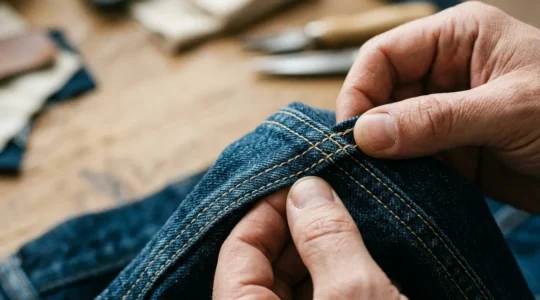
A Quality Inspector’s Guide: How to Vet a Garment’s Stitching to Guarantee a 5-Year Lifespan
The frustration of a garment failing prematurely—a popped button, a ripped seam—is not bad luck; it’s a failure of engineering. Instead of relying on brand names or price tags, adopting a quality inspector’s mindset allows you to dissect a garment’s…
Lire la suite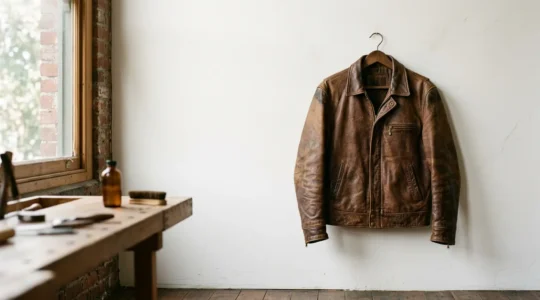
How to Maintain a Leather Jacket So It Lasts for 20 Years
A quality leather jacket is a long-term asset; treating it as such is more economical and rewarding than repeatedly buying cheaper alternatives. The true cost of a jacket is measured in cost-per-wear over decades, not its initial price tag. Strategic…
Lire la suite
How to Look Put-Together on a Sunday Morning Coffee Run?
Defaulting to worn-out gym clothes on weekends isn’t a style failure; it’s a system failure. The key is building a small, interchangeable « off-duty uniform, » not just buying more clothes. Focus on structural integrity in casual pieces (sweatpants, cardigans) and a…
Lire la suite
How to Navigate ‘Black Tie Optional’ Without Looking Out of Place
Contrary to popular belief, « Black Tie Optional » is not a casual suggestion to dress down; it is a nuanced test of your social and sartorial intelligence. Your choice between a tuxedo and a dark suit sends a distinct message about…
Lire la suite
How to Incorporate High-Waisted Trousers Without Looking Like Your Grandfather?
The fear of looking dated in high-waisted trousers is misplaced; the key isn’t avoiding a vintage cut, but mastering modern principles of proportion and architectural elegance. Success lies in managing the overall silhouette—pairing a high waist with a tapered leg…
Lire la suite
Beyond the Hype: How to Master Streetwear After 35
In summary: Shift focus from prominent logos to premium fabrics and impeccable fit to build a mature foundation. Master the art of « style architecture » by balancing silhouettes, like pairing oversized pieces with tailored ones. Integrate « narrative pieces » like a vintage…
Lire la suite
How to Use Color Theory in Your Wardrobe to Influence Perception in Meetings?
Contrary to popular belief, influencing perception isn’t about wearing a ‘power red’ tie; it’s about mastering the subtle art of non-verbal narrative control. True authority is conveyed through the meticulous control of details like fabric texture, pattern scale, and a…
Lire la suite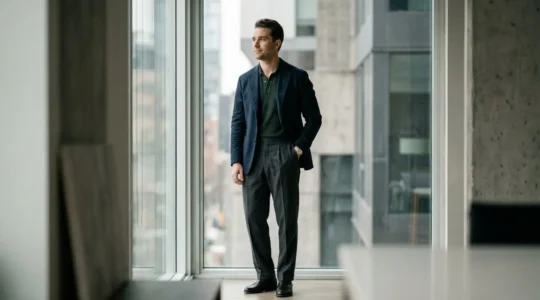
How to Wear the Latest Men’s Fashion Trends Without Looking Like a Victim
Navigating men’s fashion trends isn’t about chasing every new fad; it’s about strategic integration. The secret lies in understanding a trend’s core principles—its silhouette, texture, and proportion—and translating them into your existing wardrobe architecture. This approach allows you to evolve…
Lire la suite